







Search Results for: flat-bottom dripper
Flavor Characteristics and Key Operational Points of Flat-Bottom Dripper Coffee Brewing: From Structural Principles to Front Street Coffee's Practices with the Sidra Variety
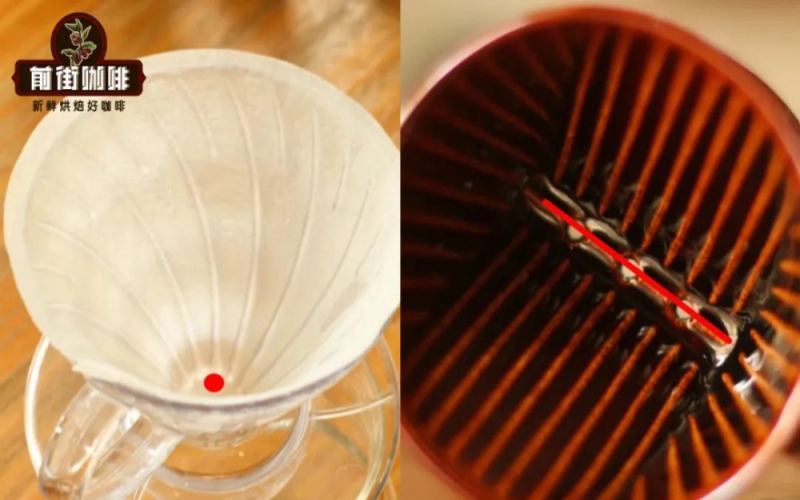
Flat-bottom drippers have gradually drawn attention in the pour-over field in recent years. The extraction performance brought by their flat bottom and special flow-guiding structure differs noticeably from common conical drippers. This article starts with the background of the birth of the Kalita Wave, sorting out the design origins of flat-bottom drippers, the distribution characteristics of their flow-guiding ribs, and their influence on water flow paths, then compares them with the extraction logic of conical drippers such as the V60. After that, using Front Street Coffee's Colombia·Frontera Chiroso as an example, it shares a three-pour brewing recipe suited to flat-bottom drippers, recording the actual brewing time and tasting impressions to help coffee enthusiasts understand the unique aspects of flat-bottom drippers in flavor presentation. [more…]
Why Is the Flat-Bottom Dripper Considered Beginner-Friendly? A Full Breakdown of the Cake Filter Cup Structure and Compatible Brewing Methods
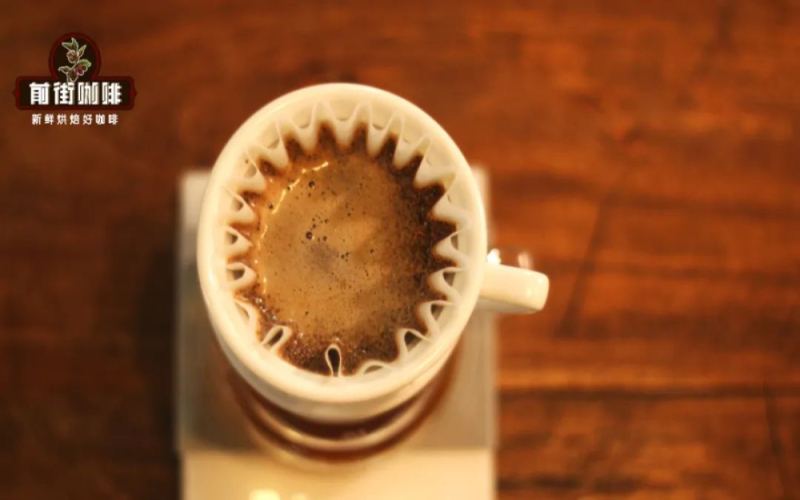
When it comes to choosing a dripper, there is a common consensus: flat-bottom drippers offer a larger margin for error and are friendlier to those just getting into pour-over. Front Street Coffee has also mentioned in several articles that the flat-bottom structure has a natural advantage when it comes to even extraction. So what mechanism actually makes this possible? This article will clarify the differences between flat-bottom and conical drippers from the perspectives of coffee bed shape, rib design, and drainage hole layout. With the cake dripper as the main thread, it will also introduce the approaches of different schools such as Melitta 101, Lili, Ice Eye B75, Torch Donut, and April Brewer, helping you understand what kind of brewing approach flat-bottom drippers are suited to, and the role they play in the "fine grind, fast brew" trend. [more…]
Conical vs. Flat-Bottom Dripper Showdown: Extraction Differences and Brewing Essentials of the Hario V60 and Kalita Wave
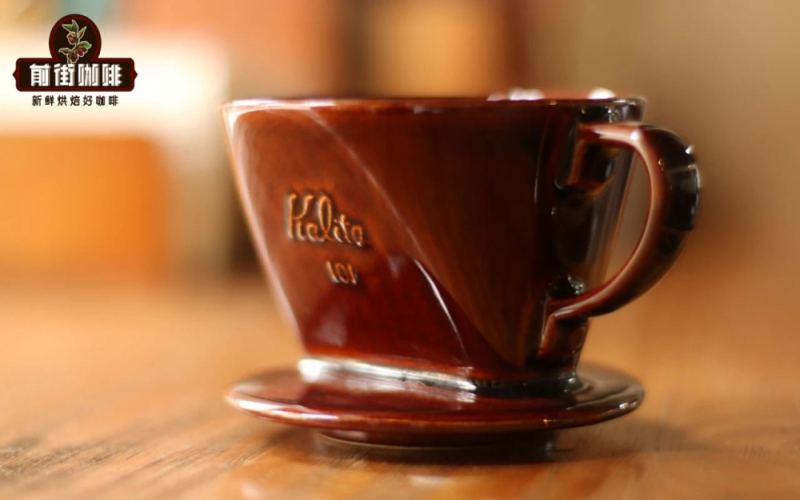
In the third wave of specialty coffee, pour-over coffee has become the top choice for many enthusiasts thanks to its clean cup profile and its ability to showcase origin flavors. As the core piece of equipment, the dripper's shape design directly affects the extraction path—conical drippers represented by the Hario V60 emphasize layers and fruit acidity, while the flat-bottom dripper pioneered by the Kalita Wave focuses on balance and sweetness. Front Street Coffee commonly uses the V60 in its daily production. This article will systematically compare the extraction logic of the two drippers from the perspectives of pouring uniformity, coffee bed depth, rib structure, and drain hole design, and will include three-pour brewing parameters for the flat-bottom dripper to help you find a clearer direction in equipment selection and technique adjustment. [more…]
Which dripper should a pour-over beginner choose? A comprehensive comparison of the pros and cons of flat-bottom cake drippers and V60 conical drippers
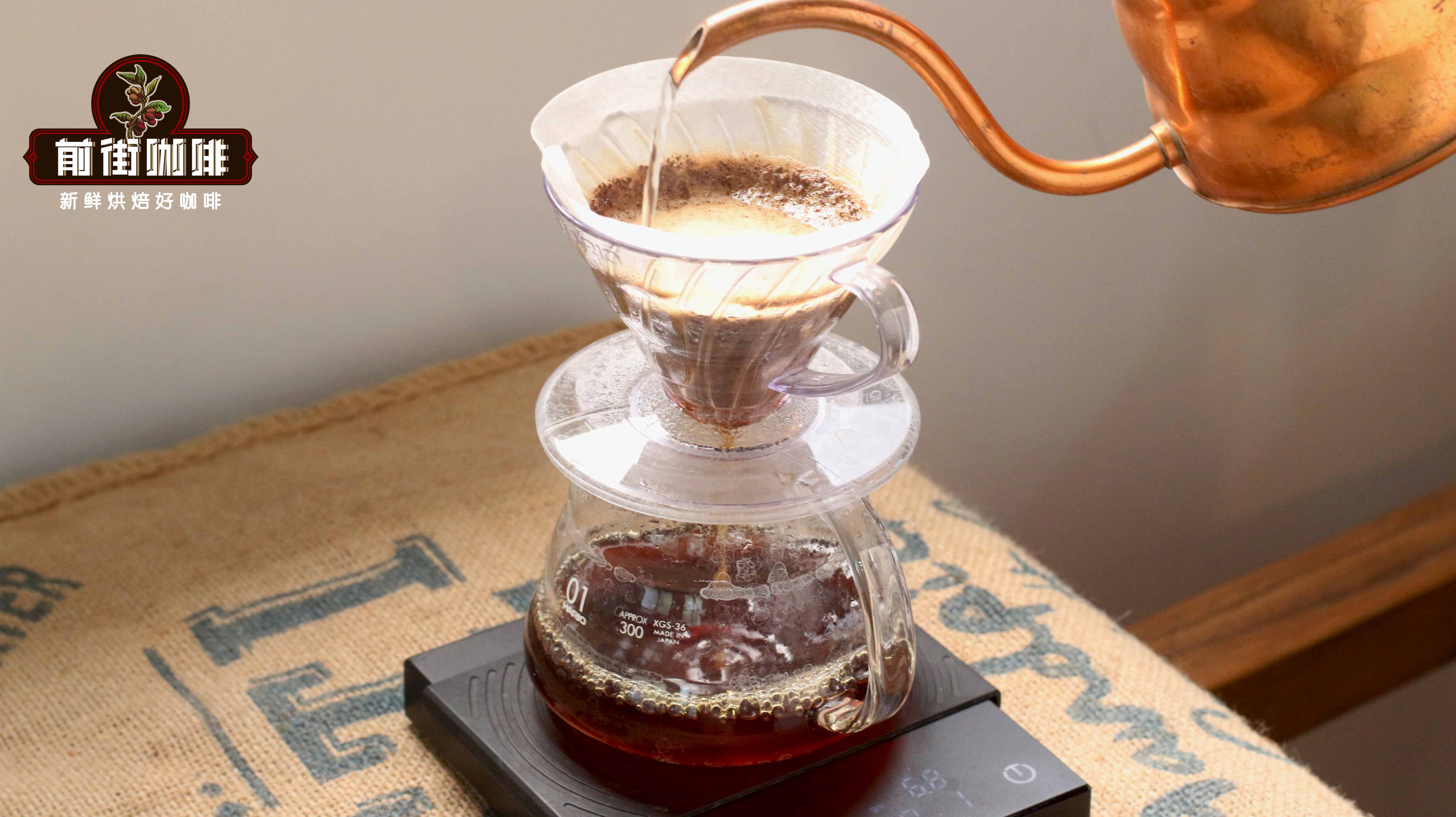
For friends who are just getting into pour-over coffee and aren't yet skilled at pouring techniques, choosing the right dripper is often more crucial than honing your skills. Front Street Coffee believes that compared to the V60 conical dripper, which is touted as a "jack of all trades," the cake dripper (also called a flat-bottom dripper) demands less pouring expertise and makes it easier to brew a sweet cup. This article starts with the origin of the cake dripper's name and the extraction principles of its flat-bottom structure, analyzes why it is beginner-friendly and why its sweetness stands out, compares the pros and cons of conical drippers, helps enthusiasts understand the characteristics of different drippers, and includes Front Street Coffee's bean recommendations suited to flat-bottom drippers. [more…]
How to Choose Between a Flat-Bottom and a V60 Conical Dripper? Hand-Brew Parameters and Practical Analysis of the Large-Hole Cake Dripper
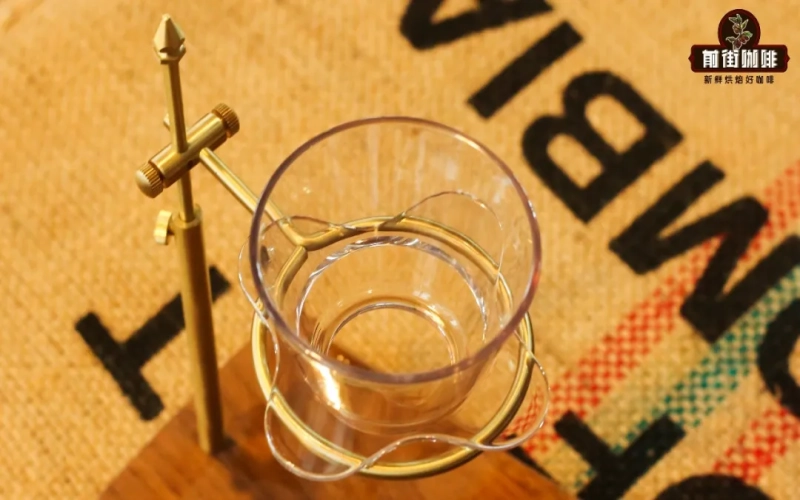
In the world of pour-over coffee, the shape of the dripper often determines the structure of the coffee bed and the direction of extraction. Flat-bottom drippers and V60 conical drippers each have their own followers, while the large-hole flat-bottom drippers that have emerged in recent years have attracted considerable attention for their combination of immersion and percolation characteristics. This article will compare the differences between the two types of drippers from the perspectives of coffee bed distribution, flow rate, and extraction balance, and, using Front Street Yirgacheffe Gutingding as an example, share in detail the adjustment approach for brewing parameters and practical techniques for the large-hole flat-bottom dripper, helping you find a brewing solution that suits you better. [more…]
Pouring Differences Between Conical, Fan-Shaped, and Flat-Bottom Drippers: A Full Breakdown of V60, Kalita, and Wave Pouring Patterns
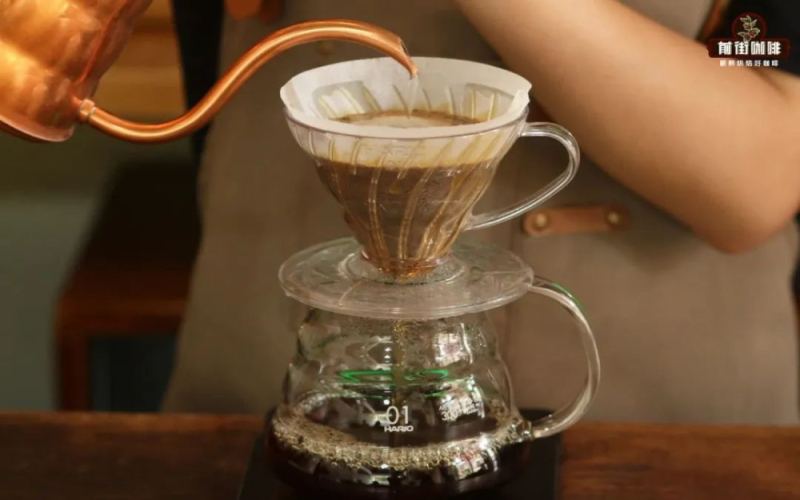
One of the joys of pour-over coffee lies in the extraction differences that different drippers bring. Front Street Coffee often receives questions from beginners: Do you also need to draw circles with a fan-shaped dripper? What should you pay attention to when pouring water with a flat-bottom dripper? This article takes three representative drippers—V60, Kalita, and Wave—as examples, starting from the coffee bed structure, explaining one by one the specific routes for circular pouring, and includes solutions for when the water flow is unstable. Whether you are just getting into pour-over or want to advance your understanding of how drippers and pouring techniques pair together, you will find practical reference here. [more…]
Analysis of the Differences Between Cake Filter Cups and V60 Cone Filter Cups: Sharing the Brewing Pros and Cons of Flat-Bottom Filter Cups and Practical Parameters
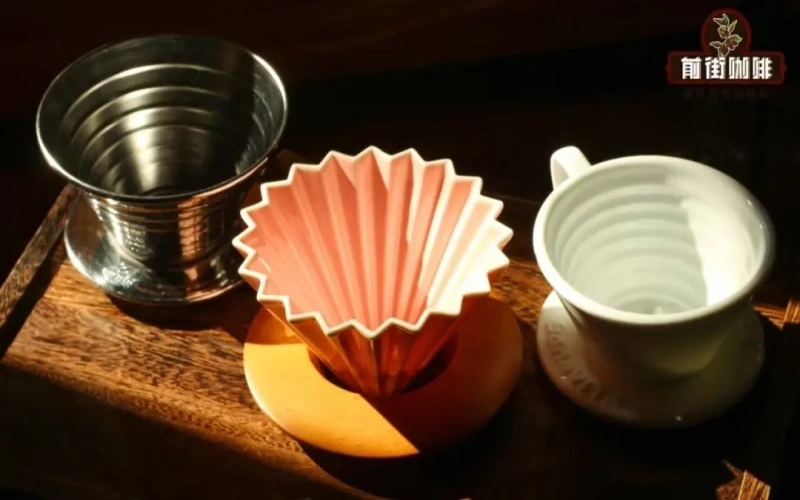
Among pour-over coffee equipment, cone-shaped drippers and flat-bottom drippers are two completely different choices. The cake dripper gets its name because its filter paper resembles baking paper, and its flat bottom brings extraction characteristics opposite to those of the V60: the coffee bed is thinner and more uniform in depth, pouring does not require deliberately controlling the range, and even beginners can easily brew a balanced and full-bodied cup of coffee. Of course, the relatively slow flow rate also requires us to make targeted adjustments in our parameters. In this article, Front Street will analyze the structural principles and flavor tendencies of the cake dripper, and share a specific method for brewing Ethiopian Hamashu with the Origami dripper, including coffee dose, water temperature, grind size, and staged pouring technique, to give you a comprehensive understanding of the advantages and disadvantages of flat-bottom drippers. [more…]
A Detailed Guide to Cake Dripper Brewing Techniques: Extraction Characteristics and Key Points for Using Flat-Bottom Pour-Over Drippers
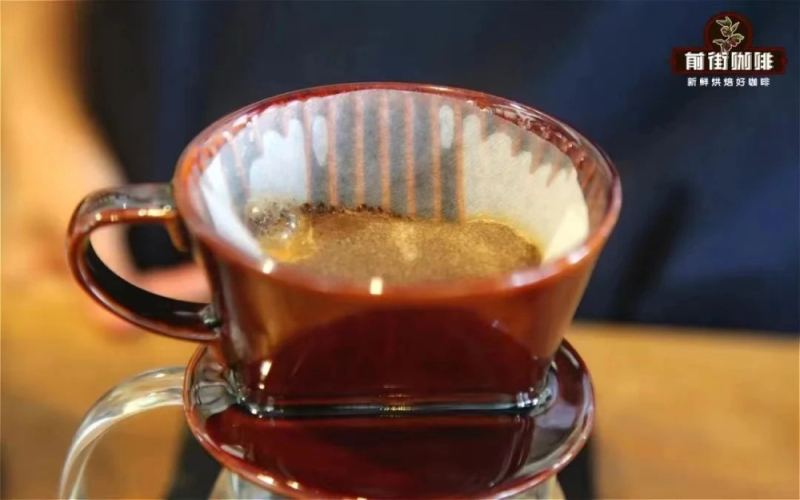
In the world of pour-over coffee, even extraction has always been the core goal pursued by brewers. Whether choosing equipment or adjusting technique, everything ultimately revolves around giving each coffee particle a relatively consistent extraction. Front Street Coffee has discussed many times why conical drippers have become mainstream, and one key factor is the uniformity of pouring. Today, however, we introduce the cake dripper, a representative of flat-bottom drippers, which has a unique design logic for even extraction. What exactly are its differences from conical drippers? How do the bottom structure and rib design affect water flow? What usage characteristics does the way cake filters fit bring? This article, from Front Street's perspective, systematically analyzes the brewing characteristics of the cake dripper to help coffee enthusiasts gain a deeper understanding of this device's pros, cons, and suitable scenarios. [more…]
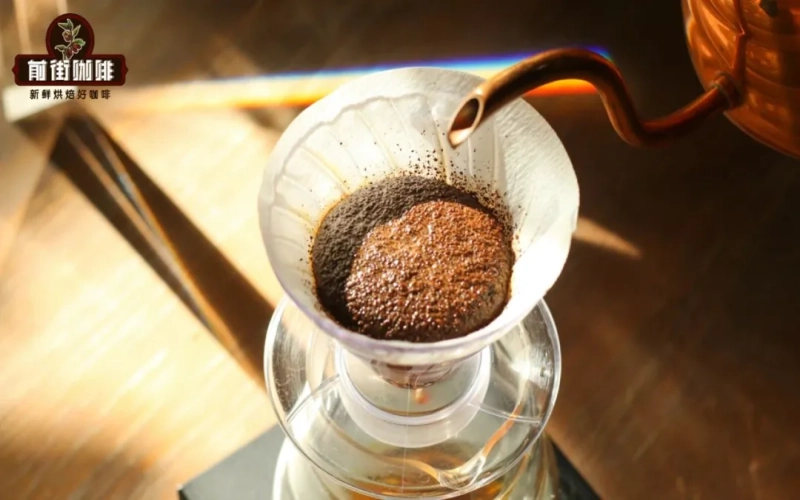
How Do Pour-Over Coffee Bed Depth and Shape Influence Flavor? A Detailed Explanation of the Differences Between Flat-Bottom Drippers and Conical V60
In the world of pour-over coffee, the shape of the coffee bed is often overlooked, yet it profoundly influences the final flavor expression. Starting from cases previously shared by Front Street Coffee, this article systematically sorts out the specific effects of coffee bed thickness and shape on extraction efficiency, stability, and coffee taste. You will learn why the same beans present completely different layers or balance in different drippers, and also understand why every dripper has a recommended dose. Through a comparative brewing example of Front Street Coffee Ethiopia Huakui, we will intuitively see the flavor differences brought by conical drippers and flat-bottom drippers, helping you understand more thoroughly the logic behind dripper selection, so you can brew a good cup of coffee more confidently. [more…]

How to Use a Flat-Bottom Dripper with Adjustable Flow Rate? Hero Variable-Speed Cake Dripper Hands-On Review and Three Brewing Recipes
What kind of brewing experience does a flat-bottom dripper with manually switchable extraction modes actually deliver? Front Street recently got its hands on Hero's variable-speed cake dripper, which uses a knob mechanism to offer three flow-rate settings—immersion, slow, and uniform—while its flat-bottom design makes it quite beginner-friendly. Front Street has brewed beans such as washed Butterfly Flower, Mozart, and Juliette Geisha with it, and also tried extending the variable-speed function to iced pour-over scenarios, comparing it with the V60. This article provides a complete record of three sets of brewing parameters, flavor performance, and detailed issues found during use, for coffee enthusiasts' reference. [more…]
Ice Eye B75 Flat-Bottom Dripper Review: How a Large-Hole Design Unlocks Coffee's High Sweetness and Cleanliness
Front Street Coffee has previously introduced the concave-designed conical Ice Pupil dripper, and today we bring its younger sibling—the Ice Pupil B75. This flat-bottom dripper, co-designed by Li Jinlong and Timemore in 2022, gets its name from the Basket and its 75° angle. It features a 5cm extra-large drainage hole and a thick-walled heat-retaining structure, bringing the coffee bed closer to a cylindrical shape, allowing for smooth and even drainage. Front Street conducted both hot and iced brewing tests using Ethiopian 74158 Santa Vini and Emerald Green Label Geisha: during hot brewing, the B75 maintained a stable flow rate throughout, completing extraction in 2 minutes and 9 seconds, with prominent notes of dried mango, strawberry, and black tea, and an extremely strong sweetness; during iced brewing, it presented a balanced juice-like quality of honey, cream, and mandarin orange. The B75 is also very friendly to beginners who are not skilled at flow control, making it a powerful tool for amplifying the strengths of sweet beans. [more…]
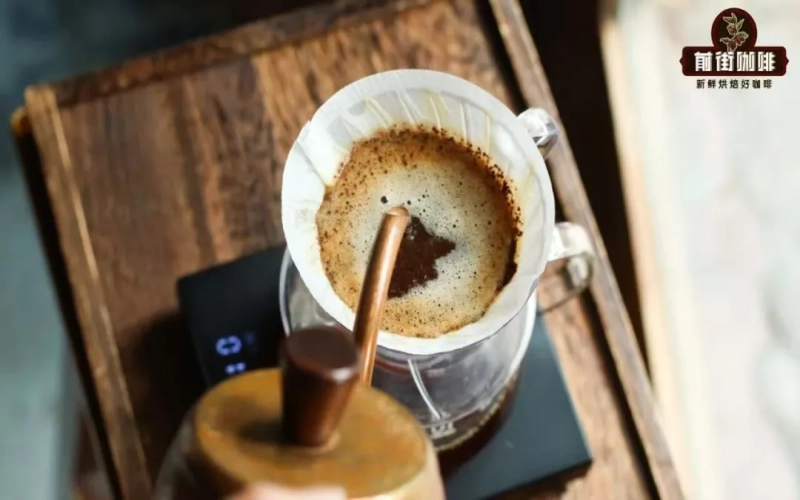
Pour-Over Coffee Dripper Buying Guide: A Full Breakdown of Bed Structure, Flow Rate, and Material, Plus Front Street Recommendations
Faced with a dazzling array of pour-over drippers, many coffee lovers often don't know where to start. In fact, the differences between drippers mainly come down to three aspects: the bed structure, the flow rate, and the material choice. The bed structure determines the evenness of extraction and the layering of flavors—cone-shaped, flat-bottomed, and wedge-shaped each have their own characteristics; the flow rate is affected by the rib design and the size of the outlet, with fast and slow rates leading to completely different flavor profiles; the material affects heat retention and price. Once you understand these differences, you can make a choice based on your personal taste preferences. Front Street Coffee will provide specific buying recommendations at the end of this article—just follow them and you can easily get started. [more…]
Pour-Over Coffee from Beginner to Practice: A Complete Guide to Filter Cup Types, Equipment Preparation, and Brewing Parameters
Pour-over coffee, with its clean and transparent flavor expression, has become one of the most favored brewing methods among specialty coffee enthusiasts. Starting from the basic definition of pour-over coffee, this article traces its century-old origins, compares in detail the effects of conical, fan-shaped, and flat-bottom drippers on extraction, and introduces one by one the key points for selecting equipment such as coffee beans, grinders, drippers, gooseneck kettles, filter paper, and electronic scales. At the same time, the article also presents Front Street Coffee's recommended beginner's everyday bean series, as well as specific suggestions for core brewing parameters such as coffee-to-water ratio, grind size, water temperature, and extraction time, helping readers systematically master the complete pour-over coffee process. [more…]
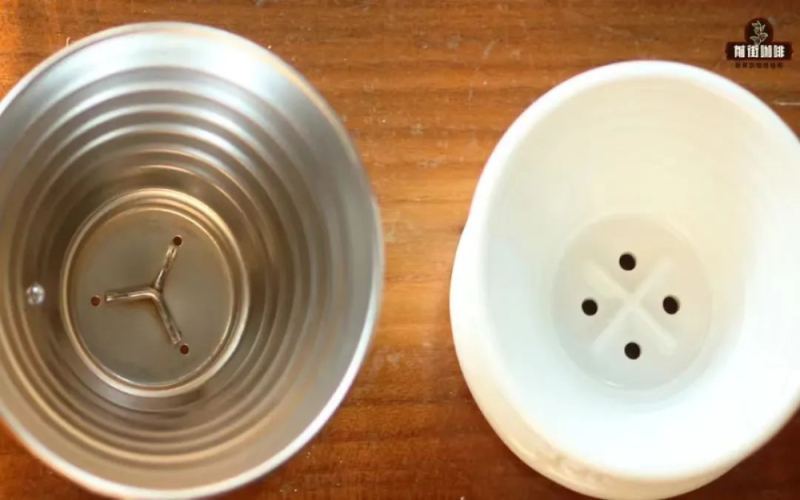
How do filter cup shape and flow rate influence pour-over parameters? How should extraction time be reasonably set?
Many coffee enthusiasts often wonder after switching filter cups: can the original pour-over parameters still be used, and exactly how long should the extraction time be controlled to be considered appropriate. Starting from the differences in filter cup shape and flow rate, and combined with Front Street Coffee's measured data, this article compares the extraction performance and flavor differences of the V60 and flat-bottom cake filter cup under the same parameters, explaining that the real purpose of parameter adjustment is not to pursue fixed values, but to serve the ideal taste. The article also provides a ranking of the flow rates of common filter cups, helping readers understand the relationship between filter cup characteristics and extraction time, so as to formulate brewing plans more flexibly. [more…]
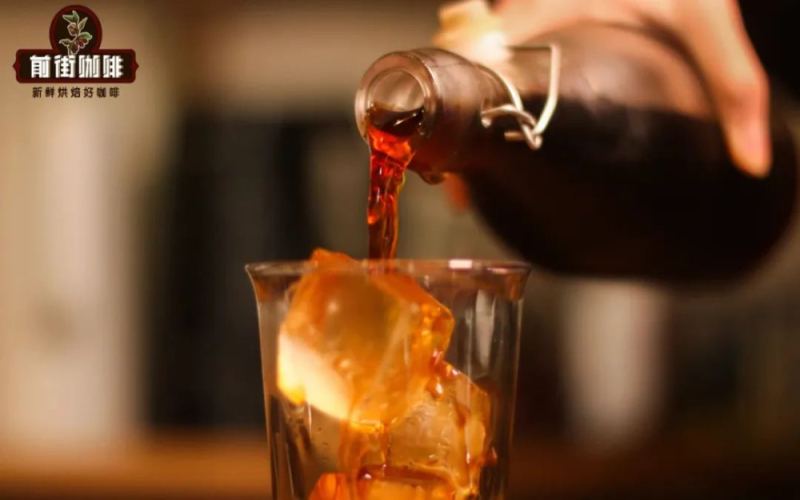
Making Cold Drip Coffee Without a Cold Drip Brewer: A Complete Guide to Choosing the Right Dose for Your Filter and Building a Simple DIY Cold Drip Setup
Want to enjoy a refreshing glass of cold brew coffee but don't want to buy an expensive cold drip tower just for that? In fact, you can rig up a simple cold drip setup using the coffee gear you already have on hand. This article starts from Front Street's hands-on experience, breaks down the structural principles of a cold drip tower, shows how to replace the original equipment with a V60 dripper, a flat-bottom dripper, and a server, and explains in detail every step of the process: distributing the grounds, pouring water, adding ice, and cold-brewing in the fridge. It also covers how the size of the dripper affects your choice of coffee dose, and the key role that ice cube size plays in the extraction, so you can easily make a full-flavored cold brew coffee at home. [more…]
Filter Cup Buying Guide: How Material, Flow Rate, Shape, and Functional Design Affect Pour-Over Coffee Flavor
The popularity of pour-over coffee is inseparable from the dripper, a key piece of equipment. From Mrs. Melitta's accidental experiment with blotting paper and a copper bowl to today's dazzling array of drippers, choosing a suitable one has become a source of confusion for many coffee lovers. Front Street Coffee starts from four dimensions—material, flow rate, appearance design, and functional design—and, combining hands-on testing data with in-store experience, analyzes the specific effects of different drippers on extraction temperature, water flow speed, and coffee flavor layers. Whether you seek stability and beginner-friendliness or wish to finely control the direction of flavor, this article will provide you with practical purchasing ideas and references. [more…]
How can you make pour-over coffee present a green tea-like mouthfeel and sweet aftertaste? Front Street shares three brewing details.
People often say a certain coffee has a "tea-like" quality, yet when you buy it and brew it at home, you can never quite reproduce that flavor—either it turns out bitter, or it has the floral and fruity notes but doesn't taste like tea. What exactly is the tea-like quality in coffee? Which beans are more likely to express this character? Front Street Coffee believes the key lies in three extraction details: choosing a flat-bottom dripper to create an immersion effect, increasing the water volume to promote the release of compounds in the tail end, and reducing the flow rate to extend the extraction time. This article uses an Ethiopian washed Kafa Forest as an example to fully demonstrate a brewing recipe that can bring out a green-tea-like fresh aroma and sweet aftertaste, breaking down everything from parameters to technique, helping you turn "tea-like" from a description into a real taste in your cup. [more…]
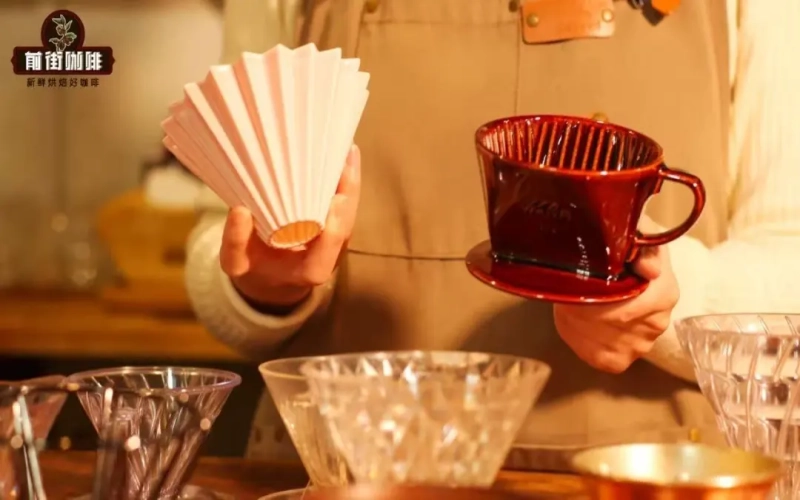
Pour-Over Coffee Dripper Selection Guide: Brewing Parameters and Pairing Suggestions for Light and Dark Roast Beans
In pour-over coffee, the choice of dripper is often overlooked by beginners, but it actually directly affects extraction time, method, and ultimately the flavor in the cup. Drawing on everyday brewing experience, Front Street Coffee offers dripper pairing suggestions for coffee beans of different roast levels. Light-roasted beans suit fast-flow conical drippers like the V60 to highlight floral and fruity aromas and layering; dark-roasted beans are better matched with slow-flow drippers like the Kono to enhance body and sweetness. The article also uses Granja Geisha and PWN Golden Mandheling as examples, listing specific parameters such as dose, ratio, grind size, and water temperature in detail for coffee enthusiasts' reference. [more…]
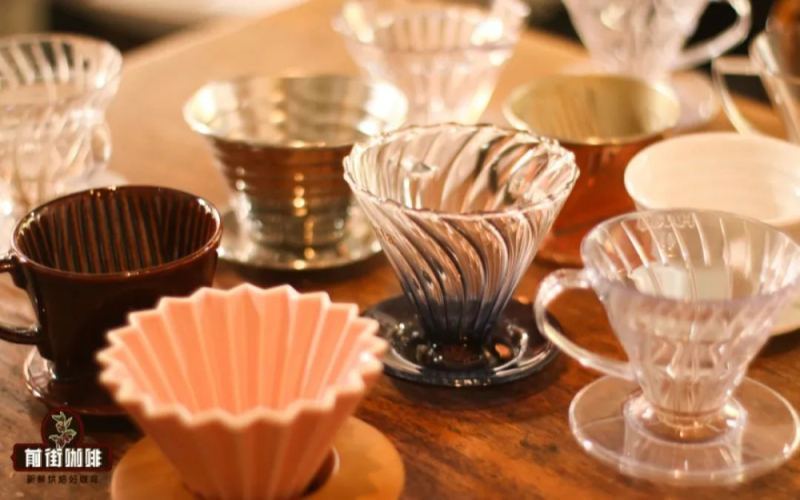
Should pour-over parameters be adjusted according to differences in dripper shape and flow rate?
In the practice of pour-over coffee, many enthusiasts directly apply common brewing frameworks, such as controlling the total extraction time to around two minutes. But in actual brewing, the same parameters may show significant time deviations due to different drippers. What exactly is going wrong behind this? The shape of the dripper, the size of the holes, and the distribution of the flow-guiding ribs all change the drainage speed, which in turn affects the final flavor. This article compares the measured performance of the V60 and the cake dripper to explore a core question: when facing drippers with different flow rates, must we re-plan the brewing framework? And how should we view the parameter of extraction time? [more…]
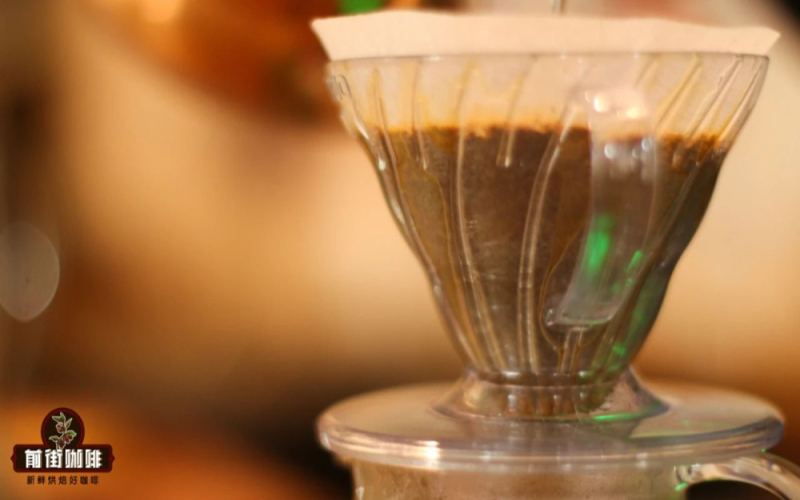
How to Choose a Pour-Over Starter Dripper? A Detailed Explanation of the V60 Cone Design Advantage and the Necessity of Rinsing the Filter Paper
Friends who are just getting into pour-over coffee often find themselves stuck at the very first step—choosing equipment—and the dripper is usually the most agonizing decision of all. This article starts from the structural principles of drippers to explain why the V60 has become the top choice for beginners, and analyzes the differences between conical, fan-shaped, and flat-bottom drippers. It will also answer common questions such as whether filter paper needs to be rinsed beforehand and which is more suitable, white bleached filter paper or unbleached natural filter paper, helping you easily brew a delicious pour-over at home. [more…]